Dubai
City guide · Middle East · United Arab Emirates
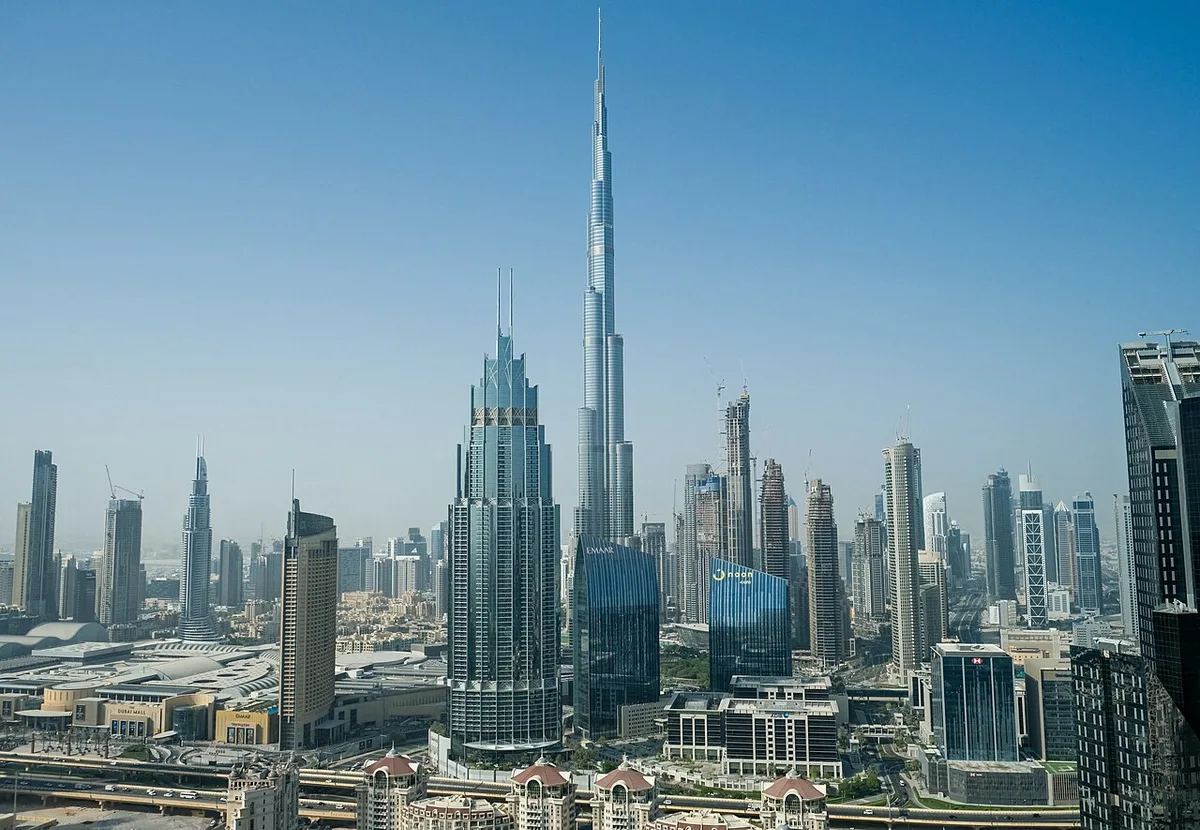
Burj Khalifa, the world's tallest building · Dubai International Financial Centre, one of the world's major financial centres
About Dubai
Dubai is the most populous city in the United Arab Emirates and the capital of the Emirate of Dubai, situated on a creek on the southeastern coast of the Persian Gulf. As of 2025, its population stands at 4 million, with 92% being expatriates. Founded in the early 18th century as a pearling and fishing settlement, it became a regional trade hub in the 20th century after declaring itself a free port in 1901. The city's economy centres on trade, tourism, aviation, financial services, and real estate, with the Dubai International Financial Centre (DIFC) as one of the world's major financial centres. Rapid construction since the 1990s has produced one of the world's densest skylines, including the world's tallest building, the Burj Khalifa, and extensive land-reclamation projects have added more than 300 kilometres of artificial coastline.
Who this destination fits
Highlights worth planning around
Strong fit
- World-class infrastructure and iconic landmarks like the Burj Khalifa, the world's tallest building
- Major global aviation hub with Dubai International Airport (DXB) handling over 92 million passengers in 2024
- Diverse economy centred on trade, tourism, aviation, financial services, and real estate
- Large luxury real estate market and extensive artificial coastline from land-reclamation projects
Tradeoffs
- Hot desert climate (BWh) with extreme summer heat
- High cost of living and travel, especially in the luxury segment
- Rapid development may feel overwhelming or lack character for some visitors
Decision factors
Getting around
Dubai International Airport (DXB) is the world's busiest airport for international passenger traffic, handling over 92 million passengers in 2024
Trip Budget Calculator for Dubai
Estimate your travel expenses based on duration, style & group size
Global planning baseline. Flights use a generic estimate.
* Commission may be earned from qualifying partner bookings.