Bangkok
City guide · Central Thailand · Thailand
Grand Palace and Wat Pho, home to the Reclining Buddha · Wat Arun, the iconic temple on the Chao Phraya River
About Bangkok
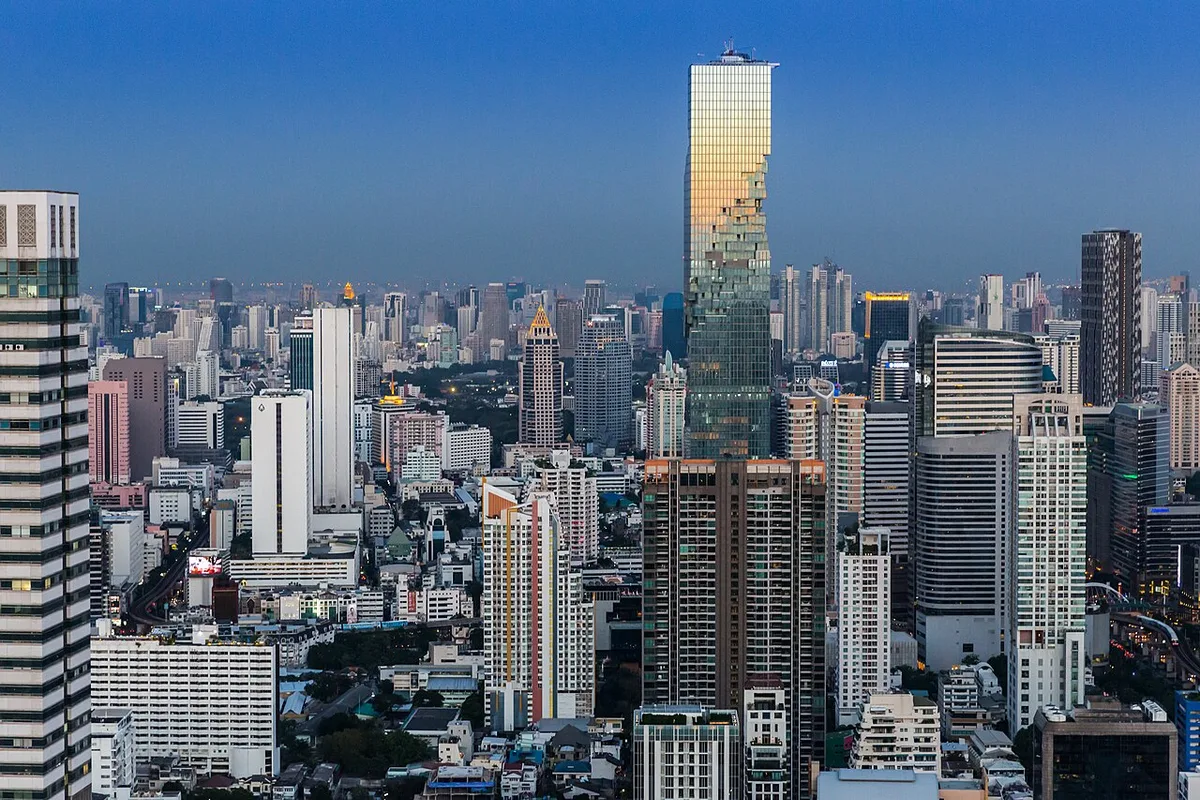
Bangkok, known in Thai as Krung Thep Maha Nakhon, is the capital and most populous city of Thailand, located in the Chao Phraya River delta in central Thailand. The city is a regional force in finance, business, and pop culture, and is an international hub for transport and health care. It is known for its street life and cultural landmarks like the Grand Palace and temples such as Wat Arun and Wat Pho, as well as its vibrant nightlife scenes. Bangkok's rapid growth has resulted in a haphazard cityscape and chronic traffic congestion, but the city has expanded its public transport system to address this. Travelers often find Bangkok to be a city of contrasts, where chaotic streets and cheap, delicious street food coexist with luxury malls and serene temples.
Who this destination fits
Highlights worth planning around
Strong fit
- Bangkok is a major international hub for transport and health care, making it an accessible and convenient base for exploring Thailand.
- The city is famous for its cheap and delicious street food, with vendors on nearly every busy road offering local favorites like Pad Thai and Som Tam.
- Bangkok offers a wealth of cultural landmarks, including the Grand Palace, Wat Pho, Wat Arun, and the Temple of the Golden Mount, providing deep and architectural experiences.
- The city has an extensive public transport network, including 10 urban rail lines (BTS Skytrain and MRT), which helps navigate around the notorious traffic congestion.
- Bangkok is a shopper's paradise, with options ranging from the high-end Siam Paragon and ICONSIAM to the massive Chatuchak Weekend Market with over 15,000 stalls.
- The city's nightlife is diverse and energetic, with popular areas like Khao San Road, Silom, and Thong Lo offering everything from backpacker bars to upscale cocktail lounges.
Tradeoffs
- Bangkok suffers from chronic and crippling traffic congestion, which can make road travel slow and frustrating despite the extensive expressway network.
- The city's rapid growth and little urban planning have resulted in a haphazard cityscape and inadequate infrastructure in some areas.
- The tropical savanna climate means it can be very hot and humid, with a distinct rainy season that may affect outdoor plans.
- Some popular tourist areas, like the Grand Palace, are known for potential scams, requiring visitors to be vigilant and only pay entrance fees at the official gate.
- The city's famous red-light districts, such as Nana Plaza, may not appeal to all travelers and can be overwhelming for some.
- While public transport is extensive, the sheer size of the city and its attractions can require significant time to travel between distant points.
Plan the trip
Best time to visit
The best time to visit Bangkok is during the cooler, drier months from November to February, when temperatures are more comfortable for sightseeing. The city celebrates Songkran, the Thai New Year, with a nationwide water fight from April 13-15.
Planning lead time
A typical visit to Bangkok requires 3-5 days to cover major highlights like the Grand Palace, Wat Pho, Wat Arun, Chatuchak Market, and a day trip to Ayutthaya.
Decision factors
Safety
Bangkok is generally safe for travelers, but visitors should be aware of potential scams, especially around major tourist attractions like the Grand Palace. It is advisable to only pay entrance fees at official gates and to be cautious with personal belongings in crowded areas.
Getting around
Bangkok has an extensive public transport system, including the BTS Skytrain and MRT subway, which are the best ways to avoid traffic congestion. The city also has an expressway network, but private car usage leads to chronic traffic jams. Motorcycle taxis and boats on the Chao Phraya River are also common modes of transport.
Trip Budget Calculator for Bangkok
Estimate your travel expenses based on duration, style & group size
Destination-specific planning rates.
* Commission may be earned from qualifying partner bookings.