Porto
City guide · North Portugal · Portugal
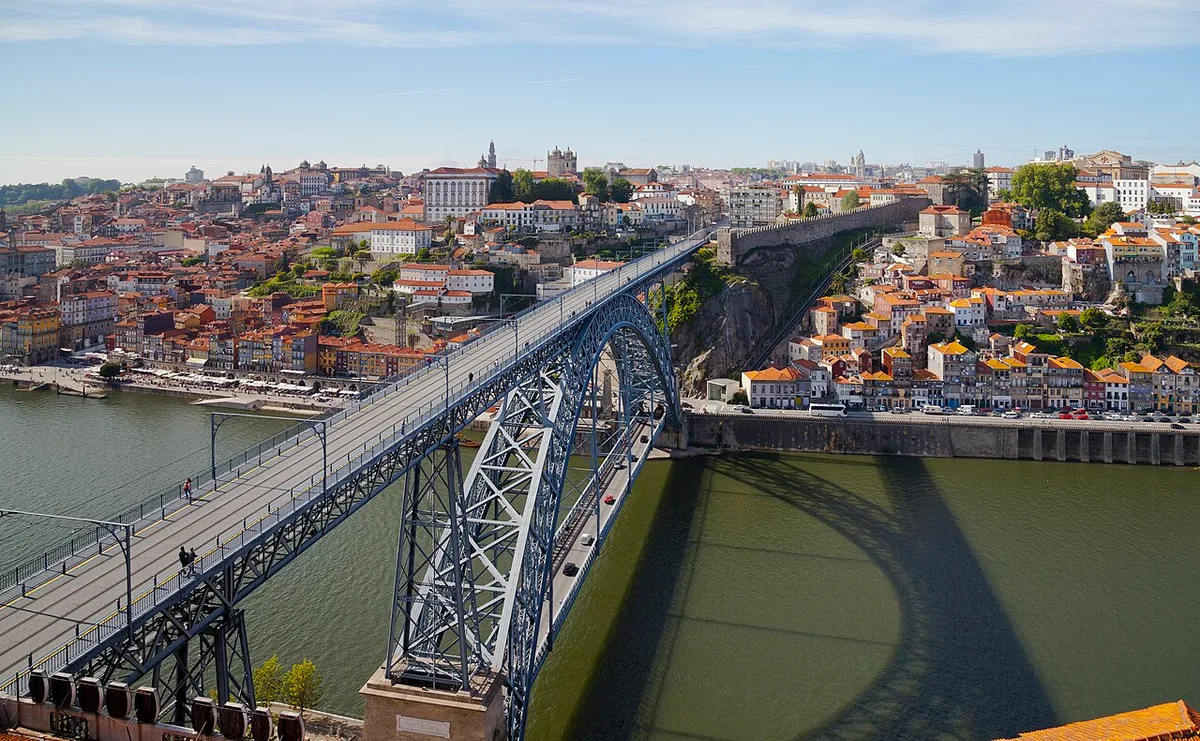
Ribeira District · Dom Luís I Bridge
About Porto
Porto is Portugal's second-largest city, set on the Douro River estuary in the north. Its historic core, including the Ribeira district, Dom Luís I Bridge, and Monastery of Serra do Pilar, was named a UNESCO World Heritage Site in 1996. The city is known for its medieval streetscapes, tile-covered facades, port wine cellars across the river in Vila Nova de Gaia, and a food culture built around dishes like the francesinha and tripas à moda do Porto. It is a compact, walkable city with a centuries-old port wine tradition and over 100 kilometers of Atlantic coastline.
Who this destination fits
Highlights worth planning around
Strong fit
- UNESCO World Heritage historic center (Ribeira district) with medieval streets and river views
- Compact and walkable city layout, easy to explore on foot
- Rich port wine culture with cellars in Vila Nova de Gaia offering tastings and tours
- Distinctive local cuisine including francesinha and tripas à moda do Porto
- Efficient public transportation network with six Metro lines, buses, trams, and a funicular
- Over 100 kilometers of Atlantic coastline with beaches reachable by Metro or bus
- Generally safe city with low crime rate
- Bold contemporary architecture including Casa da Música and Serralves Foundation
Tradeoffs
- Hilly terrain and uneven pavements require good walking shoes
- Summer brings large crowds, long queues at museums, and major sights
- Ribeira can feel touristy, and accommodations book up months in advance
- Atlantic water is chilly even in summer
- Driving in the center is stressful due to narrow one-way streets, heavy traffic, and limited parking
- Spanish is not widely spoken; English is more common
- Restaurant reservations at top places may need to be made weeks or a month in advance
Plan the trip
Best time to visit
Spring and early autumn offer mild weather and fewer crowds; summer (June to August) is peak season with temperatures up to 30°C and festivals like Festa de São João; winter is quieter with fewer tourists and cozy wine cellar visits.
Planning lead time
A long weekend (4 days, 3 nights) is recommended as a minimum; one day gives a good taste of the city.
Decision factors
Safety
Porto is generally a safe city with a low crime rate. Pickpocketing and bag snatching are the main concerns, especially on trams and Metro during crowded times. Be cautious in dark alleys of Ribeira and near São Bento station at night.
Getting around
Porto has an efficient public transportation network with six Metro lines linking districts, plus buses, trams, and a funicular. The Andante Card is used for Metro and buses. The Metro connects to the airport and beaches. Driving in the center is not recommended; park on the outskirts and use public transit.
Trip Budget Calculator for Porto
Estimate your travel expenses based on duration, style & group size
Global planning baseline. Flights use a generic estimate.
* Commission may be earned from qualifying partner bookings.