Lisbon
City guide · Lisbon metropolitan area, Estremadura, Portugal · Portugal
Jerónimos Monastery - UNESCO World Heritage Manueline masterpiece · Belém Tower - iconic riverside fortress and symbol of the Age of Discovery
About Lisbon
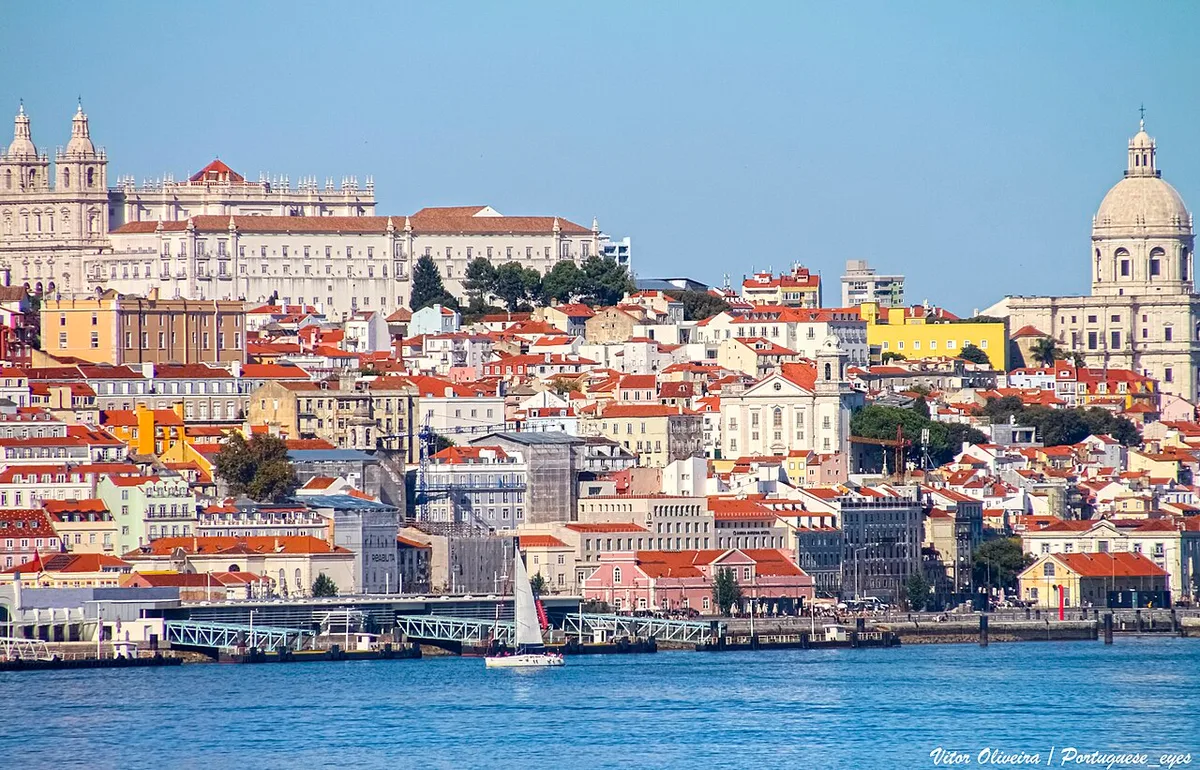
Lisbon is the capital and most populous city of Portugal, situated on the northern shore of the River Tagus in the western Iberian Peninsula. It is one of the oldest cities in the world and the second-oldest European capital after Athens, with settlement dating back to around 1200 BCE. The city became Portugal's capital in 1255 and has since been its political, economic, and cultural center. Lisbon is recognized as an alpha-level global city for its importance in finance, commerce, fashion, media, arts, international trade, education, and tourism. The city is built on seven hills, offering numerous viewpoints (miradouros) over its terracotta rooftops and the river. Its historic districts include Alfama, the oldest neighborhood, which survived the 1755 earthquake largely intact, and Belém, home to the UNESCO-listed Jerónimos Monastery and Belém Tower. The city is also known for its azulejo tile art, fado music, historic trams, and custard tarts.
Who this destination fits
Highlights worth planning around
Strong fit
- Rich heritage with UNESCO World Heritage Sites including Jerónimos Monastery and Belém Tower
- Distinctive neighborhoods like Alfama, Bairro Alto, and Chiado each with their own character
- Excellent viewpoints (miradouros) offering panoramic city and river views
- Strong museum scene including the National Azulejo Museum and Calouste Gulbenkian Museum
- Historic transport experiences like Tram 28 and the Santa Justa Elevator
- Vibrant nightlife concentrated in Bairro Alto
- Day-trip potential to Sintra, a UNESCO World Heritage Site with fairytale palaces
Tradeoffs
- Steep hills throughout the city can be physically demanding for some visitors
- Popular attractions like Tram 28 and the Santa Justa Elevator can have long queues and crowds
- Some major monuments may have restricted access; for example, Belém Tower has been undergoing restoration and interior access may be limited
- Pickpocketing can be a concern on crowded trams and in tourist-heavy areas
- The city's popularity means some areas can feel overtouristed, particularly in peak season
Plan the trip
Best time to visit
Spring and autumn offer mild temperatures and thinner crowds; summer brings abundant sunshine and beach weather but more tourists
Planning lead time
2-3 days for the city core; add a day for Sintra day trip
Decision factors
Safety
Generally safe for a major European capital, but standard precautions against pickpocketing in crowded areas and on public transport are advised
Getting around
Walkable city with hills; historic trams (notably Tram 28), funiculars (Glória, Bica, Lavra), the Santa Justa Elevator, and a metro system provide public transport options
Trip Budget Calculator for Lisbon
Estimate your travel expenses based on duration, style & group size
Destination-specific planning rates.
* Commission may be earned from qualifying partner bookings.