Oslo
City guide · Østlandet · Norway
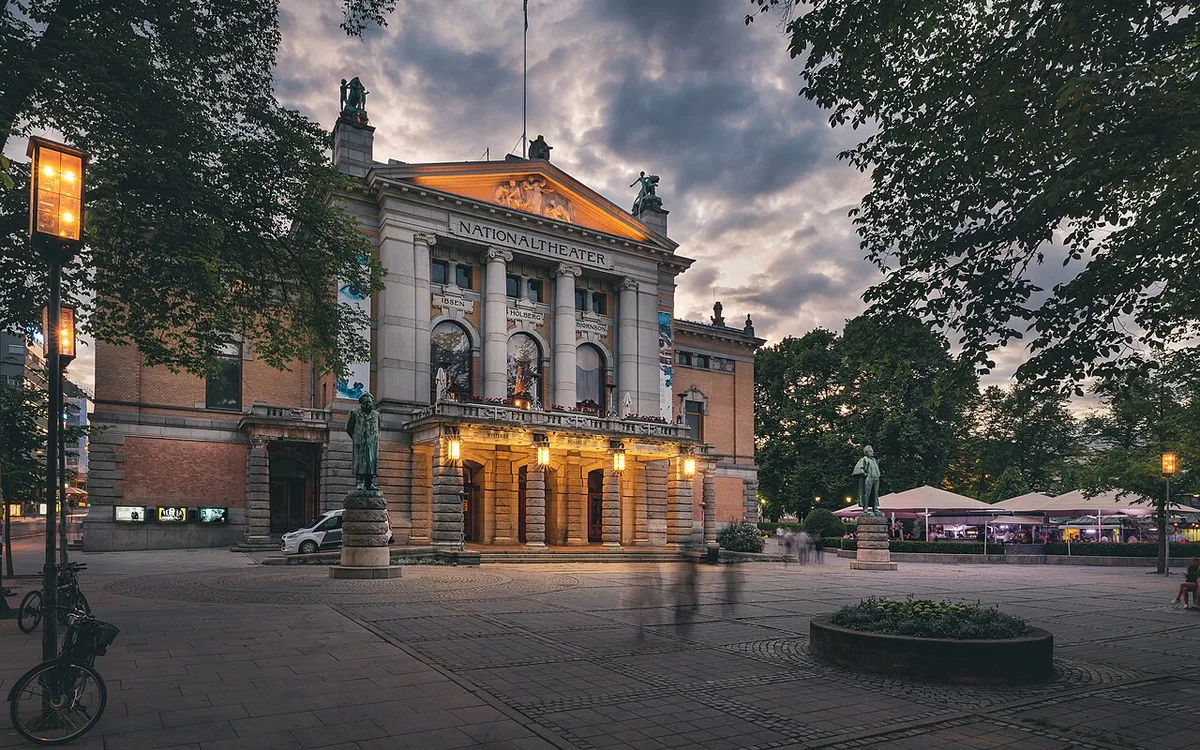
Akershus Fortress · National Theatre
About Oslo
Oslo is the capital and most populous city of Norway, established in 1048. It is located in the Østlandet district and serves as both a municipality and a county. The city is known for landmarks such as the Akershus Fortress, the National Theatre, the Munch Museum, and the Frogner district. Oslo's urban area has a population of 1,110,887, while the metropolitan area has 1,588,457 residents. The city's highest point is Kjerkeberget at 631 meters, and its lowest is at Oslofjorden at 1 meter. Oslo operates on Central European Time (UTC+01:00) with daylight saving time in summer (UTC+02:00).
Who this destination fits
Highlights worth planning around
Strong fit
- Rich cultural heritage with landmarks such as Akershus Fortress, National Theatre, and Munch Museum
- Compact city layout with diverse neighborhoods like Frogner and Grünerløkka
- High standard of living reflected in a very high Human Development Index of 0.980 (2021)
- Well-connected as Norway's capital with a major urban and metropolitan population base
- Distinctive Scandinavian character with a mix of historic and modern architecture
Tradeoffs
- High cost of living typical of a Scandinavian capital, which may impact travel budgets
- Cold winters with limited daylight hours, which may not suit all travelers
- Crowded during peak tourist seasons due to its status as a major capital city
- Limited nightlife options compared to larger European capitals
- Language barrier for non-Norwegian speakers, though English is widely spoken
Plan the trip
Best time to visit
Summer months (June to August) offer milder weather and longer daylight hours, ideal for exploring outdoor attractions. Winter (December to February) provides opportunities for winter activities but with shorter days and colder temperatures.
Planning lead time
A typical visit requires 2-3 days to cover major attractions, though longer stays allow for deeper exploration of neighborhoods and nearby regions.
Decision factors
Safety
Oslo is generally considered a safe city for travelers, with low crime rates typical of Scandinavian capitals. Standard urban precautions are recommended, especially in crowded tourist areas.
Getting around
Oslo has a well-developed public transport system, including buses, trams, and metro lines. The city is walkable, and Oslo Central Station serves as a major hub for regional and international connections.
Trip Budget Calculator for Oslo
Estimate your travel expenses based on duration, style & group size
Global planning baseline. Flights use a generic estimate.
* Commission may be earned from qualifying partner bookings.


