Oaxaca
City guide · Southern Mexico · Mexico
Monte Albán archaeological site · Mitla archaeological site
About Oaxaca
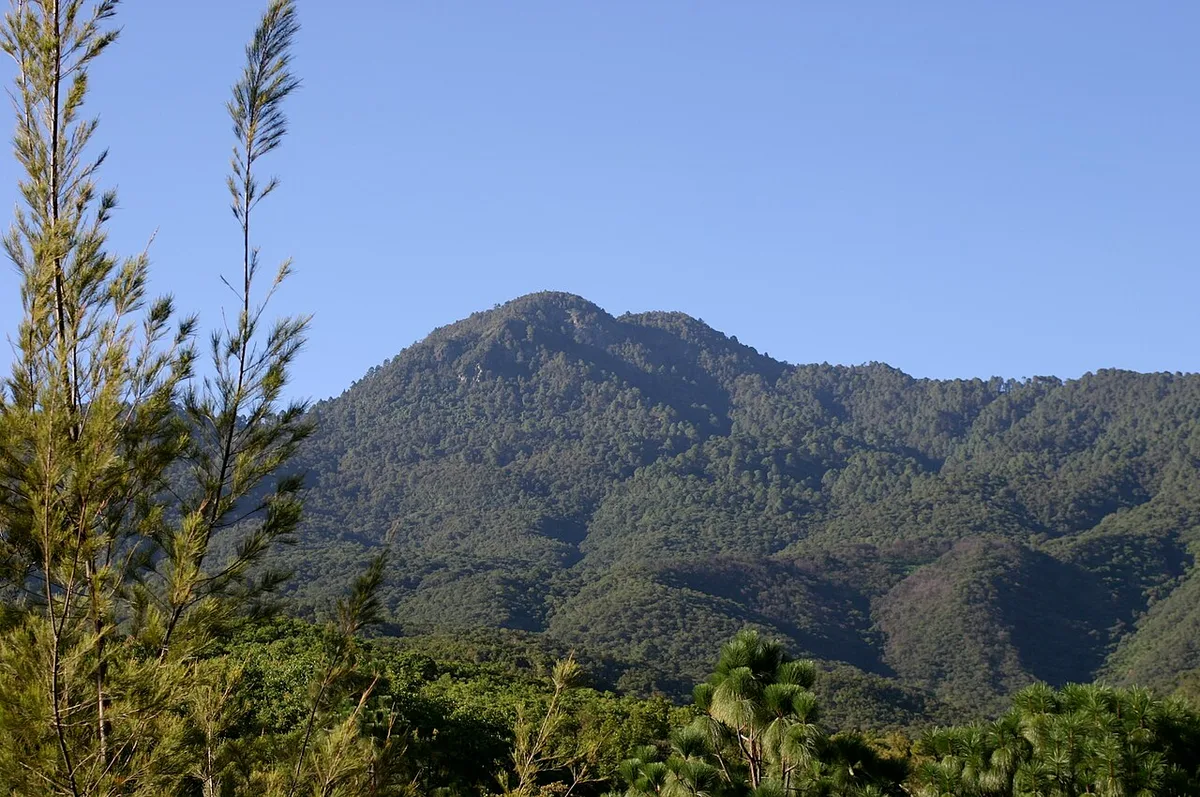
Oaxaca is a state in Southern Mexico, bordered by Guerrero to the west, Puebla to the northwest, Veracruz to the north, and Chiapas to the east, with a significant coastline on the Pacific Ocean to the south. Its capital and largest city is Oaxaca de Juárez. The state is best known for its Indigenous peoples and cultures, particularly the Zapotecs and Mixtecs, with 16 officially recognized Indigenous groups. These cultures have survived better than most others in Mexico due to the state's rugged and isolating terrain. Most Indigenous people live in the Central Valleys region, an economically important tourism area known for archaeological sites such as Monte Albán and Mitla, as well as native cultures and crafts. Oaxaca is a destination for travelers seeking deep cultural immersion, distinctive regional cuisine, and traditional arts, rather than a typical beach resort experience.
Who this destination fits
Highlights worth planning around
Strong fit
- Rich Indigenous cultural heritage with 16 officially recognized Indigenous groups, including the Zapotecs and Mixtecs
- Distinctive regional cuisine recognized as a major draw for food-focused travelers
- Access to significant archaeological sites such as Monte Albán and Mitla
- Vibrant traditional crafts and arts scene in the Central Valleys region
- Rugged, isolating terrain has preserved cultural traditions better than most other Mexican states
Tradeoffs
- Rugged terrain can make travel between regions challenging and time-consuming
- Not a beach destination; the Pacific coastline is separate from the main cultural centers
- Cultural experiences may require more planning and local knowledge to access fully
- Limited nightlife and resort infrastructure compared to coastal Mexican destinations
Trip Budget Calculator for Oaxaca
Estimate your travel expenses based on duration, style & group size
Global planning baseline. Flights use a generic estimate.
* Commission may be earned from qualifying partner bookings.