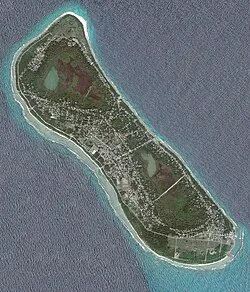
Fuvahmulah
City guide · Gnaviyani Atoll · Maldives
Gen Miskit: oldest mosque in the Maldives, built around c. 1300 from coral stone · Fua Mulaku Havitta: damaged Buddhist stupa ruin about 40 feet in height
About Fuvahmulah
Fuvahmulah is a single-island atoll in the Maldives' Gnaviyani Atoll, roughly 494 km south of Malé. Unlike typical resort islands, it is a naturally formed island with freshwater lakes, wetlands, and dense tropical vegetation, including the largest jambul grove in the Maldives and the only place in the country where the common moorhen is natively found. Historically difficult to reach due to ocean swells and a lack of lagoon, the island opened up with a harbour in the early 2000s and a domestic airport in 2011. It is the third most populous island in the Maldives, with a distinctive local Dhivehi dialect and landmarks such as the Gen Miskit mosque, believed to be the oldest in the country.
Who this destination fits
Highlights worth planning around
Strong fit
- Unique natural environment with two freshwater lakes, wetlands, and diverse habitats not found elsewhere in the Maldives
- Home to the common moorhen, a bird natively confined to Fuvahmulah in the archipelago
- Largest producer of mangoes in the Maldives, plus pineapples and oranges grown nowhere else in the country
- landmarks including Gen Miskit, the oldest mosque in the Maldives, and the Fua Mulaku Havitta Buddhist stupa ruin
- Distinct local culture with its own Dhivehi dialect, Fuvahmulaki baha
Tradeoffs
- Historically inaccessible due to ocean swells and lack of a lagoon; harbour and airport are relatively recent additions
- Limited tourism infrastructure compared to resort islands, with no evidence of established hotels or activities
- Small island size of about 4.94 km², limiting the range of conventional beach resort experiences
- Past epidemics led to depopulation and resettlement, indicating health challenges
Plan the trip
Planning lead time
Moderate planning recommended due to limited infrastructure and the need to arrange transport via domestic airport or seaplane.
Decision factors
Getting around
Accessible via a domestic airport built in 2011 and a harbour at the southeast tip completed in the early 2000s. No current flight schedules or ferry services are confirmed.
Trip Budget Calculator for Fuvahmulah
Estimate your travel expenses based on duration, style & group size
Global planning baseline. Flights use a generic estimate.
* Commission may be earned from qualifying partner bookings.
![4X Travel Adapter Plugs for EUROPE FRANCE SPAIN GREECE Purple [2-Ports + SURGE]](https://i.ebayimg.com/images/g/zO4AAOSwpbxg64no/s-l225.jpg)


