Kyoto
City guide · Kansai · Japan
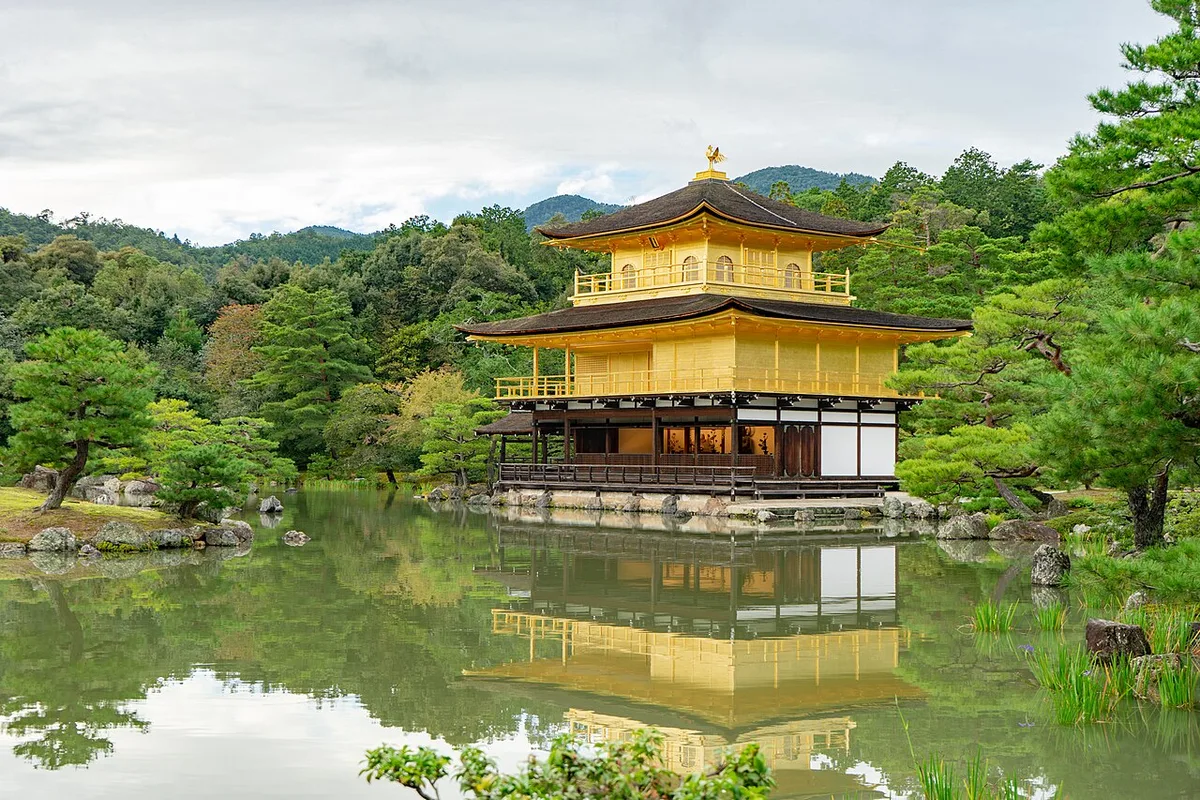
Kinkakuji - iconic Zen temple · Fushimi Inari Shrine - famous for thousands of red torii gates
About Kyoto
Kyoto served as Japan's imperial capital from 794 to 1869, a span of more than a millennium that shaped its identity as the country's cultural heart. The city is home to 17 UNESCO World Heritage Sites and is known for its profound serenity, allure, and living traditions. Its emphasis on cleanliness, simplicity, and beauty stems from practices integrated into daily life and displayed in Kyoto-style hospitality. Beyond world-famous landmarks, visitors can explore lesser-known areas including the Keihoku, Takao, Ohara, Nishikyo, Yamashina, and Fushimi districts, each with distinct character. Kyoto's food scene reflects deep culinary traditions, from obanzai home-style dishes using local ingredients to seasonal wagashi sweets, Kyoto yasai vegetables, and long-established pickle shops. The city experiences four distinct seasons, each bringing different festivals and scenery.
Who this destination fits
Highlights worth planning around
Strong fit
- Rich cultural heritage with 17 UNESCO World Heritage Sites and over 1,000 years of history as Japan's capital
- Four distinct seasons each offer unique festivals and scenery, from cherry blossoms in spring to the Gion Festival in summer
- Excellent public transportation network including city buses, subways, and multiple train lines, making it easy to get around
- Diverse food scene ranging from affordable ramen and conveyor belt sushi to high-end kaiseki dining
- Easy accessibility from Tokyo (about 2 hours 15 minutes by shinkansen) and Osaka (about 30 minutes by train)
- Accommodation options range from budget hostels to luxury ryokan and machiya-style hotels
Tradeoffs
- Spring (cherry blossom season) and autumn (fall colors) are peak travel seasons with large crowds and higher hotel prices
- Summer (June to August) is hot and humid, with a rainy season from mid-June to late July
- Kyoto is an expensive city compared to other Japanese destinations, though more affordable than Tokyo for hotels
- Tourist attractions are often located near residential areas, requiring visitors to be mindful of local residents
- Popular sites like Kinkakuji and Fushimi Inari can be crowded, especially during peak seasons
- Traditional ryokan with tatami floors and futon beds may be uncomfortable for some travelers
Plan the trip
Best time to visit
Spring (late March to mid-April) for cherry blossoms and autumn (mid-November to early December) for fall colors, though these are peak seasons with crowds and higher prices
Planning lead time
At least 2-3 days for an immersive trip; book hotels and tours at least 6 months in advance for peak seasons
Decision factors
Safety
Kyoto is generally safe for travelers. The city has established guidelines for responsible tourism, and visitors are advised to be considerate of local communities, especially near residential areas. Emergency safety information is available through official Kyoto travel resources.
Getting around
Kyoto has excellent public transportation including city buses, subway lines, and multiple train lines (Keihan, JR, Hankyu, Kintetsu). The Keifuku Randen Tram Line serves the Arashiyama area, and the Eizan line goes to Kibune. Bicycle rental is also available. Kyoto is accessible from Tokyo in about 2 hours 15 minutes by shinkansen and from Osaka in about 30 minutes by train.
Trip Budget Calculator for Kyoto
Estimate your travel expenses based on duration, style & group size
Destination-specific planning rates.
* Commission may be earned from qualifying partner bookings.