Rome
City guide · Lazio · Italy
The Colosseum and Roman Forum · The Pantheon
About Rome
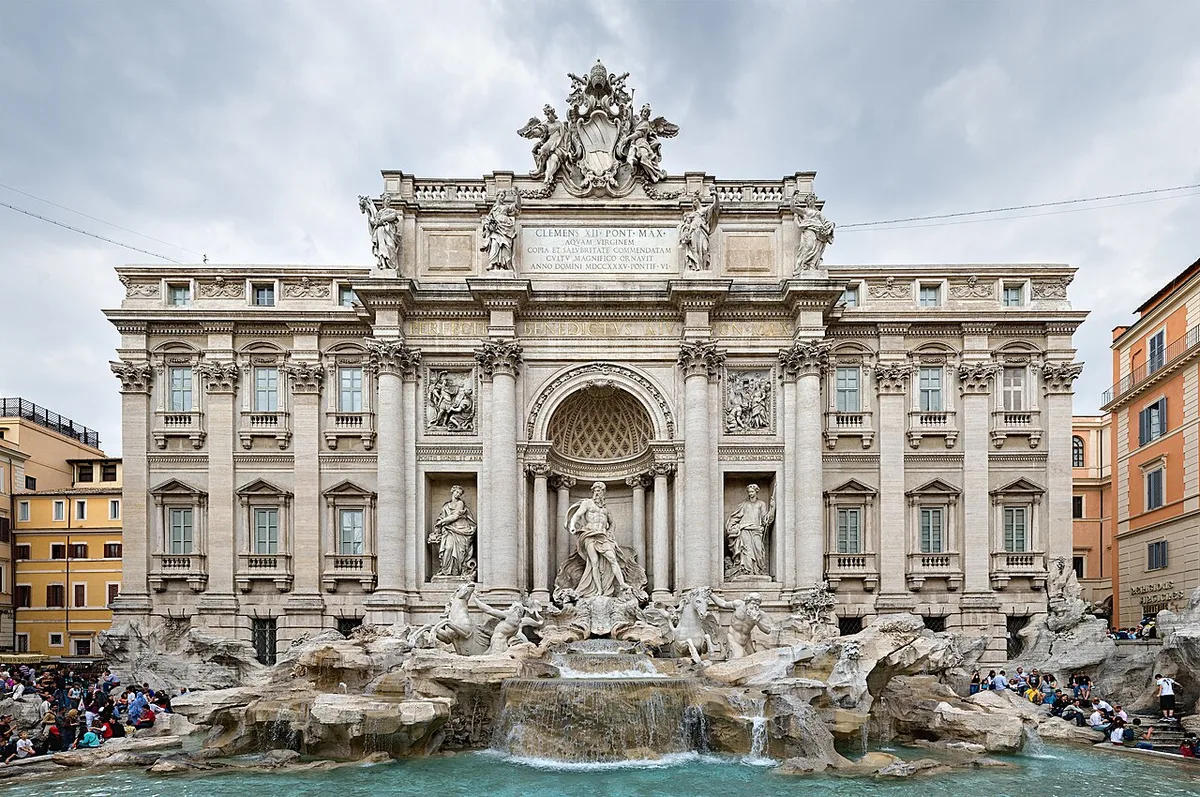
Rome is a city where ancient history and modern life intertwine, offering a journey through millennia of art, architecture, and culture. As the capital of Italy, it is a living museum with iconic landmarks like the Colosseum and the Roman Forum, alongside vibrant piazzas and world-class cuisine. The city is a classic gateway for travelers seeking to immerse themselves in the layers of Western civilization, from the Roman Empire to the Renaissance and beyond.
Who this destination fits
Highlights worth planning around
Strong fit
- Unparalleled and archaeological sites, including the Colosseum and Roman Forum.
- World-renowned art and architecture, from ancient ruins to Renaissance masterpieces.
- Exceptional Italian cuisine, from traditional trattorias to modern dining.
- A vibrant, walkable city center with iconic piazzas and fountains.
- Rich cultural events and experiences, with a guide to events available for August 2026.
- Serves as a perfect base for exploring other parts of Italy.
Tradeoffs
- Can be extremely crowded, especially at major attractions and during peak season.
- Tourist-heavy areas can be expensive, particularly for dining and souvenirs.
- Summer months can be very hot and humid, making sightseeing tiring.
- Pickpocketing can be an issue in crowded public spaces and on public transport.
- Some major attractions require advance booking to avoid long queues.
Plan the trip
Best time to visit
Spring (April-May) and Fall (September-October) offer pleasant weather and fewer crowds. August is a popular time with a dedicated guide to events and experiences available.
Planning lead time
A minimum of 3-4 days is recommended to see the main highlights, but a week allows for a more relaxed pace and deeper exploration.
Decision factors
Safety
Rome is generally safe for tourists, but petty crime like pickpocketing is common in crowded areas. Travelers should remain vigilant and safeguard their belongings.
Getting around
Rome has an extensive public transport network including metro, buses, and trams. The historic center is best explored on foot. Taxis and ride-sharing services are also available.
Trip Budget Calculator for Rome
Estimate your travel expenses based on duration, style & group size
Destination-specific planning rates.
* Commission may be earned from qualifying partner bookings.