Varanasi
City guide · Uttar Pradesh · India
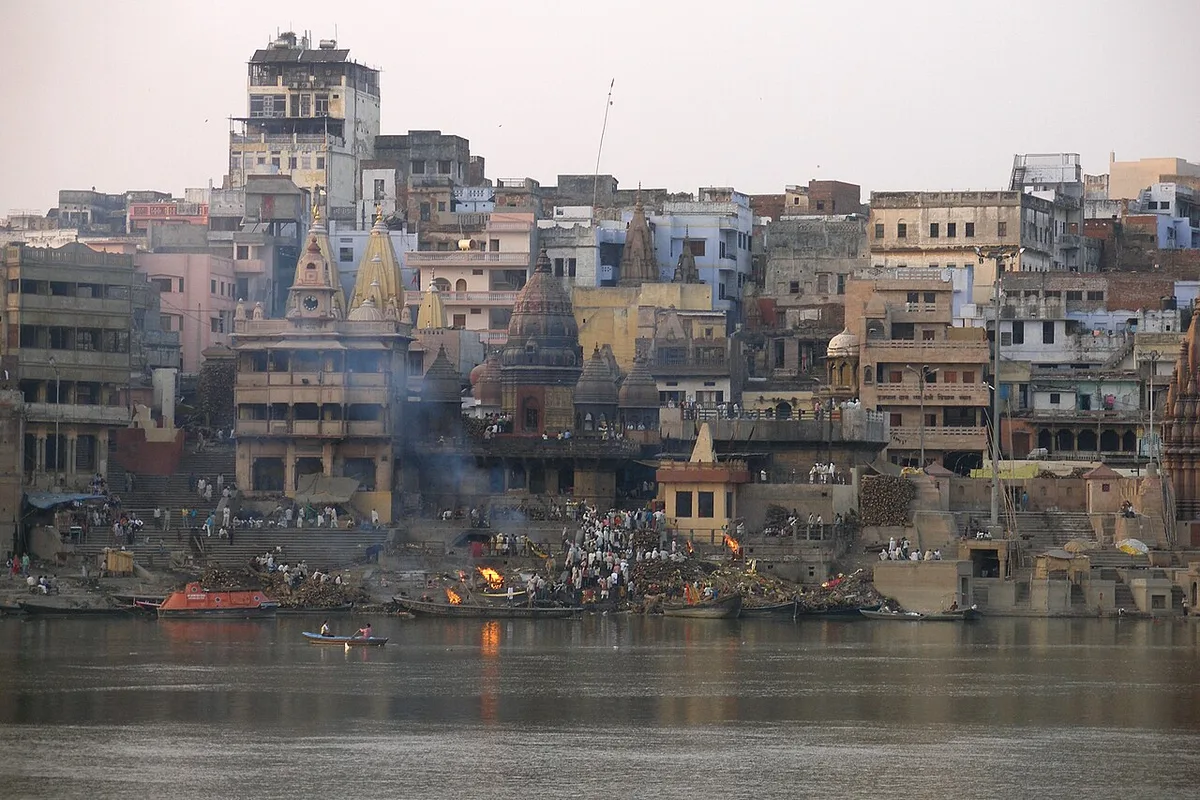
The ghats along the Ganges River, including Manikarnika Ghat, the holy cremation ground · Banaras Hindu University
About Varanasi
Varanasi, also known as Benares, Banaras, or Kashi, is a metropolis in Uttar Pradesh, India, situated on the banks of the Ganges River. It is often referred to as the 'Spiritual Capital of India' and is one of the world's oldest continually inhabited cities. The city is a major pilgrimage destination, renowned for its ghats, particularly Manikarnika Ghat, a holy cremation ground, and for its deep association with Hindu spirituality, culture, and learning. Varanasi is also famous for its silk brocade weaving and as the home of Banaras Hindu University and the Benares Sanskrit College, India's oldest Sanskrit college, founded in 1791. Travelers should expect an intense, immersive experience of ancient traditions, bustling streets, and a unique atmosphere of life and death along the riverfront.
Who this destination fits
Highlights worth planning around
Strong fit
- Profound spiritual and cultural significance as a major Hindu pilgrimage site
- Iconic and atmospheric ghats along the Ganges, including the holy cremation ground at Manikarnika Ghat
- Rich history and heritage, including Banaras Hindu University and the Benares Sanskrit College, India's oldest Sanskrit college (founded in 1791)
- Distinctive local crafts, particularly the weaving of silk brocade
- A unique, immersive experience of ancient traditions and daily life
Tradeoffs
- Can be overwhelming due to crowded, chaotic streets and intense sensory stimulation
- The holy cremation ghats may be confronting for some visitors
- Air and noise pollution can be significant in parts of the city
- Infrastructure may be challenging for those with mobility issues
- The city's spiritual focus may not appeal to all types of travelers
Plan the trip
Best time to visit
October to March, when the weather is cooler and more pleasant for exploring the city and its ghats.
Planning lead time
2-3 days to experience the main ghats, temples, and cultural sites.
Decision factors
Safety
As with many densely populated Indian cities, travelers should be aware of their surroundings, particularly in crowded areas. It is advisable to take standard precautions against petty theft and to be cautious when navigating traffic.
Getting around
Varanasi is served by Lal Bahadur Shastri International Airport. The city also has a major railway station. Local transport includes auto-rickshaws and taxis. A ropeway system, Kashi Ropeway, is listed as a rapid transit option.
Trip Budget Calculator for Varanasi
Estimate your travel expenses based on duration, style & group size
Global planning baseline. Flights use a generic estimate.
* Commission may be earned from qualifying partner bookings.