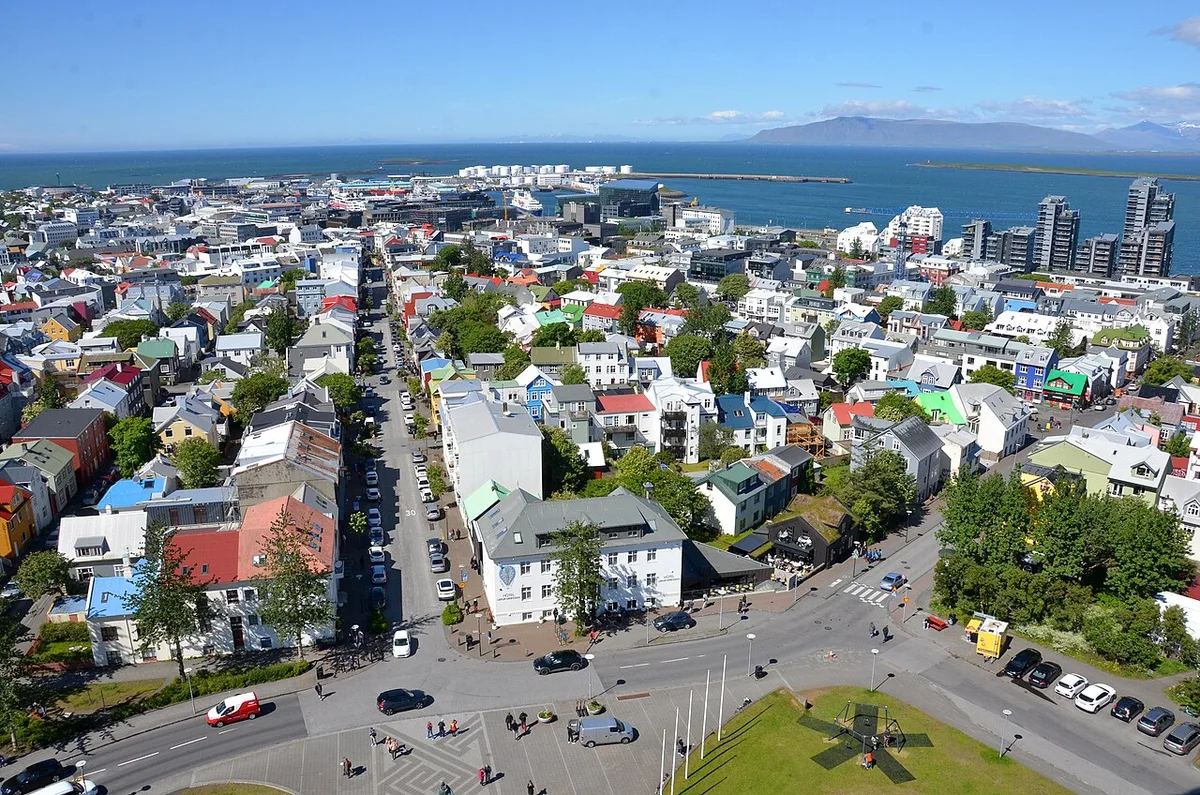
Reykjavík
City guide · Iceland
the capital and largest city of Iceland, located on the southern shore of Faxaflói bay in southwest Iceland
About Reykjavík
Reykjavík is the capital and largest city of Iceland, located on the southern shore of Faxaflói bay in southwest Iceland. As the world's northernmost capital of a sovereign state, it serves as the cultural, economic, and governmental center of the country. The city is consistently ranked among the cleanest, safest, and most environmentally friendly cities globally, making it a popular base for exploring Iceland's natural attractions. Its compact, walkable center features colorful houses, vibrant dining, and shopping, while its nickname, 'The City of Sagas,' reflects Iceland's rich literary heritage. Reykjavík's modern development, rapid post-WWII expansion, and unique blend of small-town charm and urban energy create a distinct Nordic gateway experience.
Who this destination fits
Strong fit
- World's northernmost capital of a sovereign state, offering a unique geographic distinction
- Consistently ranked as one of the cleanest, safest, and most environmentally friendly cities in the world
- Rich cultural and literary heritage, reflected in its nickname 'The City of Sagas'
- Compact city center that is walkable and easy to navigate
- Serves as the cultural, economic, and governmental center of Iceland
- Gateway to Iceland's dramatic landscapes, including geothermal pools, waterfalls, and volcanic terrain
Tradeoffs
- High latitude results in limited daylight during winter months, with very short days in December and January
- Popular tourist destination, which can lead to crowding during peak summer seasons
- Cost of living and travel expenses in Iceland are generally high, including accommodation, dining, and transportation
- Weather can be unpredictable and changeable throughout the year, with strong winds and rapid shifts
- Urban development is relatively recent, with limited architecture compared to other European capitals
Trip Budget Calculator for Reykjavík
Estimate your travel expenses based on duration, style & group size
Global planning baseline. Flights use a generic estimate.
* Commission may be earned from qualifying partner bookings.